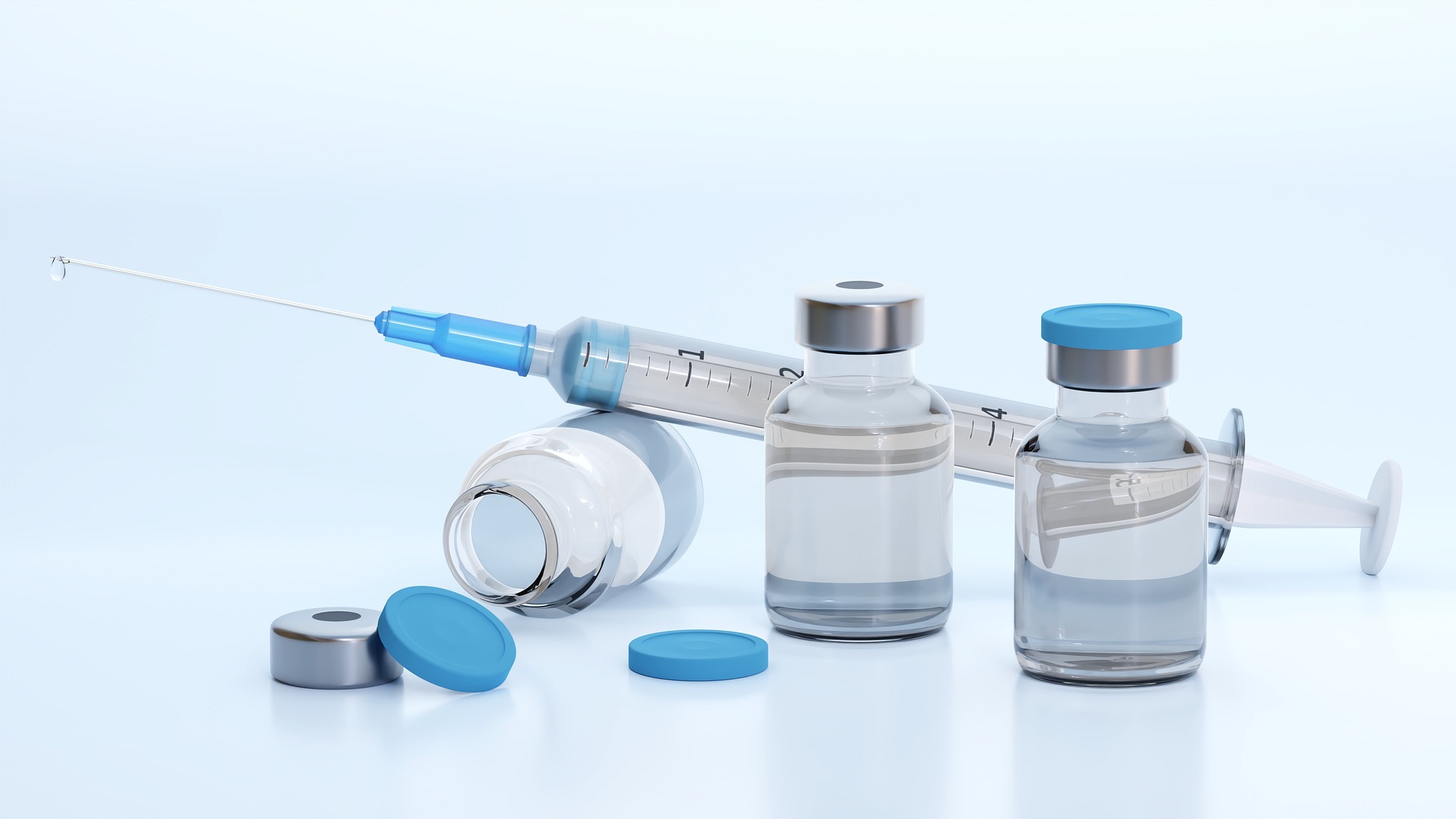
In Somalia, where decades of conflict and instability have weakened local production capacity, outsourcing has become a lifeline for the health sector. Pharmaceuticals, vaccines, and medical devices are largely imported, and companies that specialize in sourcing and distribution serve as critical bridges between international manufacturers and local health providers. For hospitals and clinics in Mogadishu, Hargeisa, and Beledweyne, the ability to rely on trusted partners for essential medicines often makes the difference between continuity of care and dangerous stockouts.
Yet, outsourcing in Somalia comes with its own set of unique challenges. Import delays at ports, fluctuating currency exchange rates, and inconsistent regulatory frameworks can slow down or complicate supply flows. In rural areas, poor road networks and insecurity make distribution even more complex, while limited cold-chain facilities threaten the viability of temperature-sensitive products such as vaccines and insulin. These obstacles require local expertise, resilience, and partnerships that go beyond a transactional model.
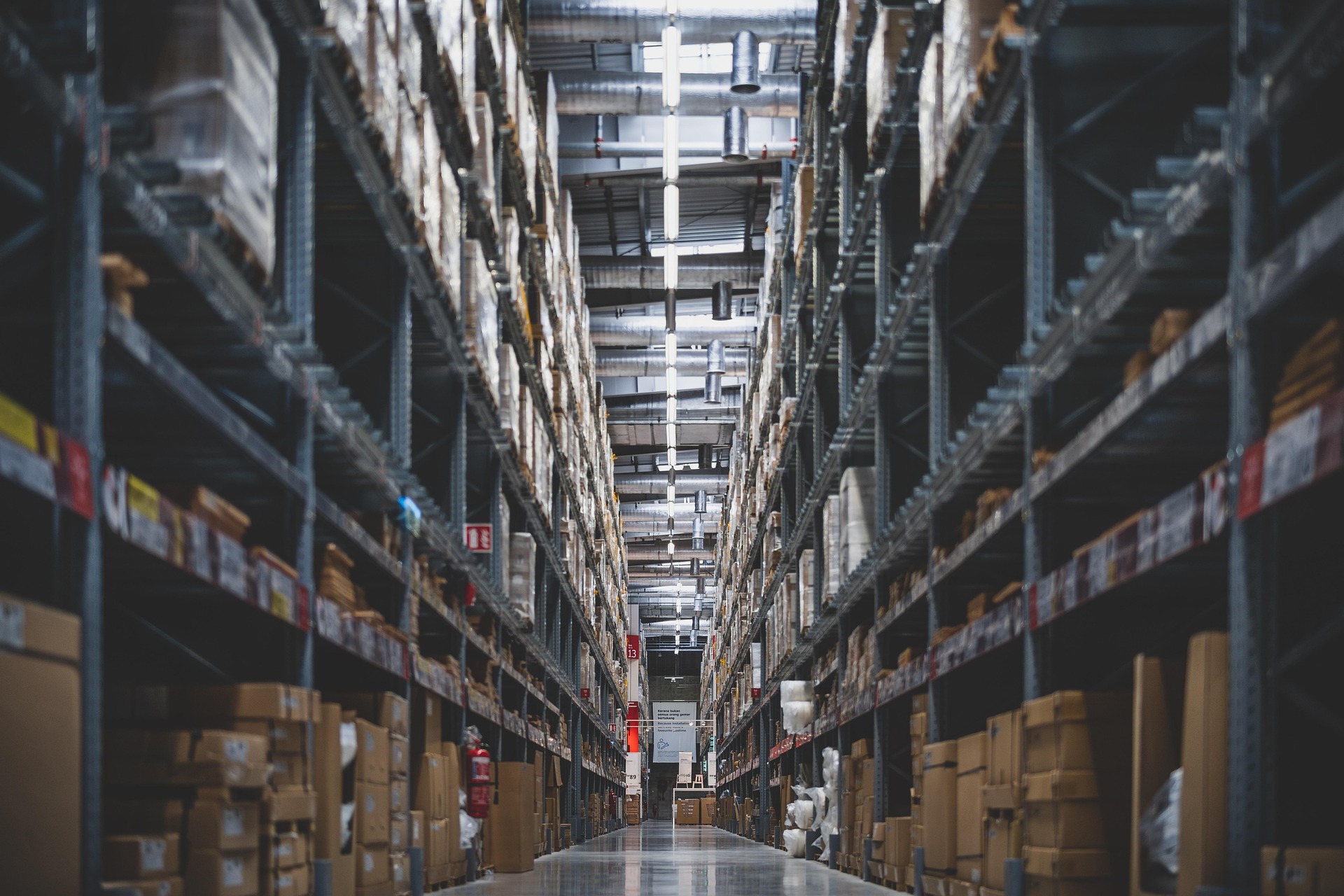
Despite the hurdles, outsourcing has enabled Somalia to access life-saving medicines at a scale that would otherwise be impossible. International suppliers bring world-class quality and manufacturing standards, while Somali companies like Bidhaan Pharmaceutical ensure these products reach the people who need them most. By building relationships with port authorities, investing in local warehousing and cold-chain storage, and working closely with hospitals and pharmacies, Bidhaan provides stability in a market that is often unpredictable.
For Somalia’s healthcare system to thrive, the outsourcing model must continue to evolve. Strengthening local distribution capacity, improving regulatory oversight, and building trust between suppliers and healthcare providers are critical next steps. At Bidhaan, we see outsourcing not simply as a logistical solution, but as an opportunity to integrate global excellence with Somali resilience, ensuring that no patient is left without the medicines and care they deserve.